

Ibiza is one of the most famous holiday spots in Europe. Every summer, thousands of people from around the world fly to the island to enjoy its beaches, clubs, and sunny weather. It is known as a party capital, where fun never stops. However, not every trip to Ibiza ends with happy memories. Sadly, many tourists have lost their lives in tragic ways. One of the most heartbreaking examples is what people now call the hotel balcony death Ibiza cases.
The phrase refers to tourists who accidentally fall from hotel balconies during their stay on the island. It is a tragedy that repeats almost every year, usually involving young travelers who visit the island for nightlife and adventure. Families are left devastated, hotels face serious questions about safety, and news reports remind others of the dangers. For those planning a trip, understanding why these accidents happen is important. By learning about them, tourists can avoid the same mistakes and stay safe.
This article will look deeply into the issue of hotel balcony death Ibiza. It will explain what it means, why it happens so often, and how both hotels and tourists can play a part in prevention. We will also discuss the role of alcohol, risky behaviors, and the emotional impact on families. By the end, readers will have a full picture of this problem and clear steps on how to stay safe while enjoying a trip to Ibiza.
What Is a Hotel Balcony Death in Ibiza?
When people talk about a hotel balcony death Ibiza, they are referring to a very specific type of accident. It happens when a tourist falls from the balcony of a hotel room and loses their life. These events are not limited to one hotel or one area, but they occur across the island where many hotels are built close together, often in busy tourist areas.
Most victims are young, usually between the ages of 18 and 30. They travel to Ibiza for parties, beaches, and freedom. Unfortunately, that freedom sometimes leads to poor decisions. Many of these falls happen late at night or early in the morning, after long hours of drinking and partying. What starts as fun can quickly turn into disaster.
Over the years, the phrase hotel balcony death Ibiza has become linked to warnings about safety. It is not just a single event but rather a repeated problem. Tourists, families, hotel owners, and local authorities all know about it. For some, it serves as a reminder that even the most exciting holiday can carry serious risks if people are not careful.
Why Do Balcony Accidents Happen in Ibiza?
The first question many people ask when they hear about a hotel balcony death Ibiza is simple: why does it happen so often? The answer is not always the same for every case, but several clear reasons appear again and again.
One of the biggest reasons is alcohol. Ibiza is famous for its nightlife, with world-class clubs that stay open until morning. Tourists often drink large amounts of alcohol during these parties. When they return to their hotels, their balance, awareness, and decision-making skills are all affected. A small mistake, like leaning too far over a railing, can suddenly become fatal.
Another reason is risky behavior. Some tourists climb from one balcony to another as a “shortcut” instead of using hotel hallways. Others sit or stand on the edge of the railing while joking with friends. Many people think they are being playful, but they underestimate the danger. A single slip can cost them their lives.
Finally, hotel building design and safety standards also play a role. Some older hotels have balconies with low railings, which are not high enough to prevent falls. Poor lighting at night can make it difficult for guests to see clearly. If these issues are combined with drinking or reckless actions, the chance of an accident grows much higher.
How Common Are Balcony Deaths in Ibiza?
Sadly, the hotel balcony death Ibiza incidents are not rare. Almost every summer, news outlets report at least one or more cases of tourists falling from hotel balconies. Many of the victims are from the United Kingdom, Germany, or other European countries where young travelers fly to Ibiza for their summer holidays.
In some years, the number of incidents has been especially high. Local media and international outlets cover these stories widely because they shock the public. Families back home are devastated when they hear that a fun vacation has ended in death. Often, victims are very young, which makes the stories even more heartbreaking.
Authorities in Ibiza have acknowledged that balcony falls are a recurring problem. They have worked with hotels and tour companies to warn tourists. Campaigns have been launched, with posters in clubs and hotels reminding people to stay away from risky balcony behavior. But despite these efforts, the problem has not completely gone away.
The Role of Alcohol in Balcony Deaths
Almost every report of a hotel balcony death Ibiza includes alcohol as a factor. Drinking large amounts is common on the island, especially among young people who come to enjoy the nightlife. Clubs in Ibiza are world-famous, and many tourists party until sunrise. By the time they return to their hotels, their bodies and minds are affected by alcohol.
Alcohol slows reaction time and reduces balance. It also affects judgment, which means people may not see the risk clearly. For example, someone who is drunk might think it is funny to climb a railing or jump between balconies. In reality, these actions are extremely dangerous.
In some cases, drugs are also involved. The mix of alcohol and drugs increases the chance of confusion and accidents. Even simple actions like standing near a railing become risky under these conditions. This is why so many hotel balcony death Ibiza cases happen late at night after parties, instead of during the day.
Hotel Responsibility and Safety Concerns
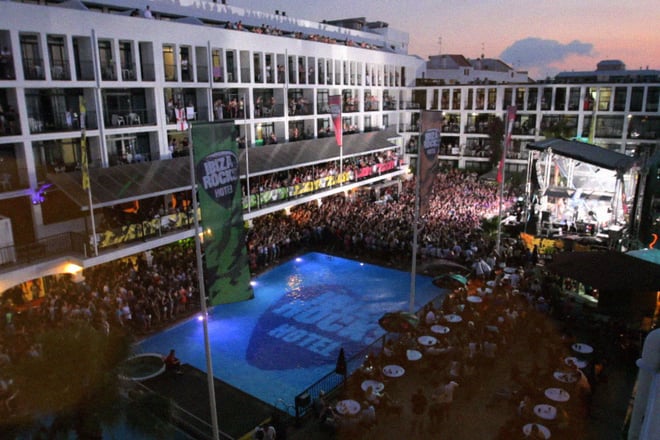
Hotels also play an important role in preventing balcony deaths. Since many accidents occur on their property, people often ask if they are doing enough to stop them. In some cases, hotels have added safety features, such as higher railings, stronger balcony designs, or warning signs inside the rooms. Some staff members even remind guests to be careful at check-in.
However, not every hotel takes the same steps. Some buildings are older and were not designed with modern safety standards. Others may have balconies that look stylish but are not as secure as they should be. Families of victims often raise concerns, asking why hotels do not invest more in safety.
The hotels, on the other hand, argue that they cannot control every guest’s actions. They can add warnings and improve safety, but they cannot stop tourists from making reckless choices. This has created an ongoing debate about who should take more responsibility: hotels, tourists, or both.
Impact on Families and Communities
The most painful part of a hotel balcony death Ibiza is the human cost. Behind every news headline is a grieving family. Parents, siblings, and friends are left in shock after losing a loved one during what was supposed to be a happy holiday. For them, the tragedy is not just a story—it is a lifelong loss.
Families often describe the phone call they receive as their worst nightmare. Learning that a son, daughter, or sibling has died far from home is overwhelming. Some families also face difficulties with bringing the body back from another country, which makes the pain even harder.
Local communities in Ibiza are also affected. Hotel staff, police, and medical teams often witness these tragedies firsthand. For them, dealing with repeated balcony deaths can be emotionally draining. Many locals wish tourists would take the warnings more seriously so that fewer lives would be lost.
Preventing Balcony Deaths: Safety Tips for Tourists
While the issue of a hotel balcony death Ibiza is serious, it is also preventable. Tourists can take simple steps to keep themselves safe while enjoying their holiday.
- Avoid drinking too much alcohol. Moderation reduces the risk of accidents.
- Never climb from one balcony to another. Always use hallways or stairs.
- Do not sit, stand, or lean on railings. Even if it feels fun, it is dangerous.
- Stay inside the room after a long night of drinking instead of stepping outside on the balcony.
- Look out for friends who may be too drunk to recognize the risks.
If every tourist followed these simple steps, the number of hotel balcony death Ibiza cases would likely drop.
FAQs
1. What does “hotel balcony death Ibiza” mean?
It refers to tragic accidents where tourists fall from hotel balconies on the island of Ibiza. These incidents often result in death and are sadly reported almost every summer.
2. Why do so many balcony deaths happen in Ibiza?
Most are linked to heavy drinking, risky behavior, and unsafe balcony conditions. The island’s strong nightlife culture increases the chances of accidents happening late at night.
3. Who are the common victims of hotel balcony deaths?
Most victims are young tourists, often in their 20s, who come from European countries like the UK or Germany. They usually travel to Ibiza for parties and holidays.
4. Are hotels responsible for these accidents?
Hotels have some responsibility for safety, such as providing strong balcony railings and warning signs. However, many accidents happen because of risky choices made by guests.
5. How can tourists stay safe in Ibiza hotels?
Tourists can stay safe by avoiding risky behavior, drinking responsibly, and not going near balcony railings when under the influence of alcohol or drugs.
Conclusion
The phrase hotel balcony death Ibiza is linked to real tragedies that repeat every year. These incidents often involve young tourists, alcohol, and risky behavior. While hotels and authorities have tried to raise awareness, accidents continue to happen. The emotional pain for families is permanent, and the stories serve as warnings for others.
Staying safe in Ibiza is possible if tourists take responsibility. By drinking wisely, avoiding risky actions, and watching out for friends, lives can be saved. Hotels should also continue to improve safety features, but the final choice often lies with the guests themselves. A holiday in Ibiza should bring joy, not heartbreak, and awareness is the key to preventing future tragedies.
